Discover the World of Graphic Design: A Journey for Creatives and Enthusiasts
Discover the World of Graphic Design: A Journey for Creatives and Enthusiasts

Discover the World of Graphic Design: A Journey for Creatives and Enthusiasts
Picture a world where your imagination takes flight through colours, shapes, and lines. Welcome to graphic design, a vibrant field that merges creativity with communication. Whether you're a seasoned professional, a student, or a business owner seeking to elevate your brand, graphic design offers endless opportunities to express ideas visually. Are you ready to dive into a world that challenges your creativity and sharpens your perception?
What makes graphic design such a magnetic force for creatives and enthusiasts alike?
Key Takeaways
- Graphic Design is pivotal for effective visual communication and storytelling
- Understanding design principles is crucial for creating harmonious and engaging visuals
- Familiarity with essential software tools enhances your design capabilities
- Regular practice and learning from feedback are key to honing your design skills
- Colour theory and typography play significant roles in shaping brand identity and perception
The Essence of Graphic Design: What It Truly Means
Graphic design is much more than creating visuals; it is a universal language that communicates without words, serving as a vital bridge between concepts and audiences. Whether you are developing a brand logo or designing impactful posters, it acts as a unique visual voice that translates your ideas into a format that resonates with others.
In this creative space, every project becomes a story. Designers combine technical skill with artistic vision, using typography, color, and imagery to shape perception and influence how an audience feels. Each element plays a crucial role in creating a narrative, turning the essence of design into a powerful tool to inspire and inform.
Ultimately, graphic design is a dynamic journey that balances creativity with practical functionality. As you transform abstract ideas into tangible designs, you are constantly experimenting with shapes and forms, ensuring each piece is both beautiful and purposeful. This evolving process challenges you to sharpen your skills, expand your horizons, and create work that truly captivates.

Exploring the Foundations: Key Design Principles
Before you can create a masterpiece, you need to understand the building blocks of design. These foundational principles guide you in crafting visuals that are not only aesthetically pleasing but also effective in communication. Let's explore these key principles that every designer should master.
Balance is about creating visual harmony across all design elements. Imagine a seesaw; if one side is too heavy, it tips over. Similarly, in design, balance ensures that no part of your composition feels too dominant or too weak. It’s this equilibrium that brings a sense of order and stability to your work, making it more engaging to the viewer.
Contrast plays a pivotal role in directing the viewer's attention to essential areas of your design. By juxtaposing different elements, such as light and dark, big and small, or textured and smooth, you can create visual interest and highlight focal points. This principle helps to create a dynamic composition that captures and holds the viewer's attention.
Repetition is the secret sauce for consistency and unity in your designs. By repeating elements like colours, shapes, or fonts, you establish a cohesive look that ties everything together. This not only enhances the overall aesthetic but also aids in reinforcing the message you want to convey.
Alignment gives structure to your design and improves readability. It's about organising elements logically and ensuring they relate to each other in a meaningful way. Alignment guides the viewer’s eye across the design, creating a seamless flow from one element to the next.
Finally, proximity is about grouping related elements together to make the information more digestible. By placing similar items close to each other, you create a visual connection that helps the viewer understand the relationship between them. This principle is crucial for creating a clear and organised composition.
Tools of the Trade: Essential Software for Every Designer
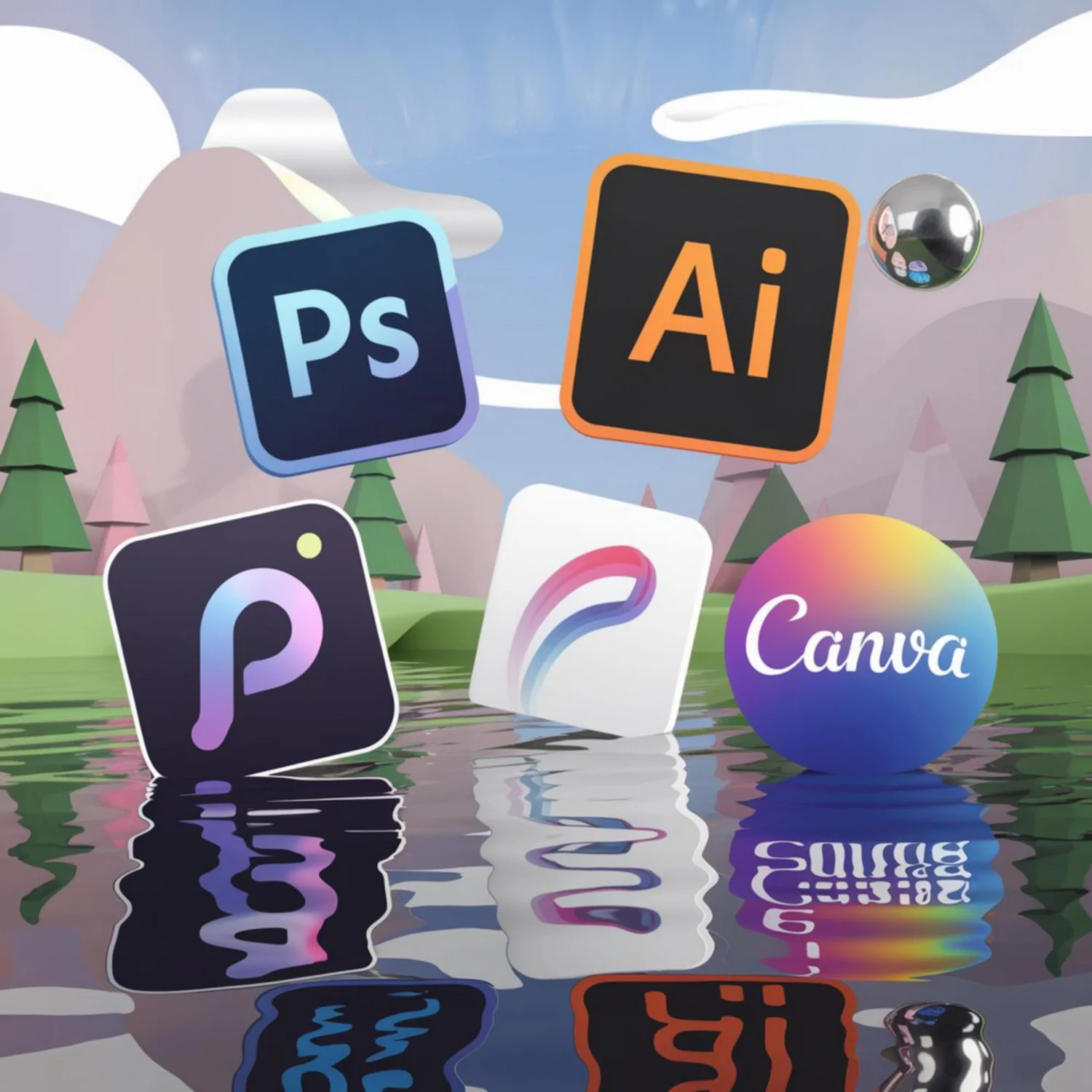
The right software is essential for your creative toolkit. Here are some top tools to elevate your design work.
Adobe Photoshop is a staple for photo editing and digital manipulation. It’s perfect for retouching, digital painting, and designing web graphics.
For vector graphics, Adobe Illustrator is the go-to choice. Its precision makes it ideal for creating scalable logos, illustrations, and typography.
Sketch offers an intuitive platform for web and mobile design. It is highly favored by UI/UX designers for its powerful features and collaboration capabilities.
For professional layouts, InDesign is unmatched. It is the preferred choice for designing magazines, brochures, and print materials.
Canva provides a quick, user-friendly solution for all skill levels. Its drag-and-drop interface and vast template library make creating stunning visuals effortless.

Developing Your Graphic Design Skills: Tips and Techniques
Becoming a proficient designer requires dedication and continuous learning. Make consistent practice a habit, whether through personal or professional projects; the more you create, the more adept you will become at solving visual problems and refining your craft.
Feedback and experimentation are equally vital. Seek diverse perspectives from mentors and peers to improve your work, and don't hesitate to push your boundaries by testing new styles and tools. This openness to constructive criticism and fresh ideas is what helps you define your unique creative voice.
Finally, remain competitive by staying informed on industry trends and investing in formal education. Attending webinars, following design publications, and enrolling in workshops provide the structured learning necessary to evolve alongside the rapidly changing design landscape.

The Role of Colour Theory in Graphic Design
Colour is a powerful tool that influences emotions and communicates messages without words. Mastering colour theory is essential for creating designs that connect with your audience and strengthen your brand identity.
Colour theory examines how hues interact and affect viewers psychologically. Complementary colours, positioned opposite each other on the wheel, create dynamic contrast, perfect for highlighting key design elements.
Alternatively, analogous colours sit side-by-side on the wheel, offering a harmonious and calming effect. This palette is frequently used in branding to convey unity and professionalism.
Colour psychology profoundly impacts brand perception and consumer behaviour. By understanding that colours like blue evoke trust and red suggests urgency, you can make strategic decisions that align with your brand's goals.
Maintaining consistent colour schemes is vital for brand recognition. Using a unified palette across all marketing materials builds audience trust and ensures your visual message remains cohesive and memorable.

Typography: The Art of Choosing the Right Font
Typography is the art of arranging text to enhance readability and convey your message's tone. Choosing the right type is essential for effective communication.
Serif fonts offer a traditional, professional look, often used in editorial and formal designs to convey authority. Conversely, sans-serif fonts provide a modern, clean aesthetic, making them ideal for digital design and interfaces.
Font pairing creates visual interest and hierarchy, guiding the reader's eye effectively. Consistent typography across all materials is vital, as it builds brand cohesion and ensures instant recognition.
Visual Storytelling: Creating Compelling Designs
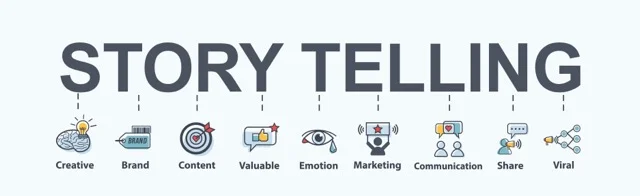
Visual storytelling captures attention by using imagery to convey complex ideas simply and emotionally. It builds meaningful connections with your audience, making your work memorable.
At its core, design is a narrative tool. By carefully selecting illustrations and graphics, you can communicate emotions and messages that words alone might miss, ensuring your work resonates deeply with viewers.
Tools like storyboarding help map out your narrative flow, ensuring every element supports your message. Similarly, infographics simplify complex data into digestible, engaging visuals. Ultimately, the goal is to create cohesive, impactful designs that inform and inspire.

Case Studies: Real-World Examples of Stunning Graphic Design
Case studies offer practical insights into effective design strategies, helping you learn techniques to apply to your own work.
Examining successful branding campaigns reveals how cohesive visual styles, from logos to marketing materials, build memorable brand identities.
Innovative packaging designs showcase how creativity and functionality work together to enhance user experience and ensure products stand out.
Digital design studies illustrate how intuitive, user-focused interfaces improve engagement and foster positive interactions with digital products.
Branding and Identity: How Design Shapes Business Perception
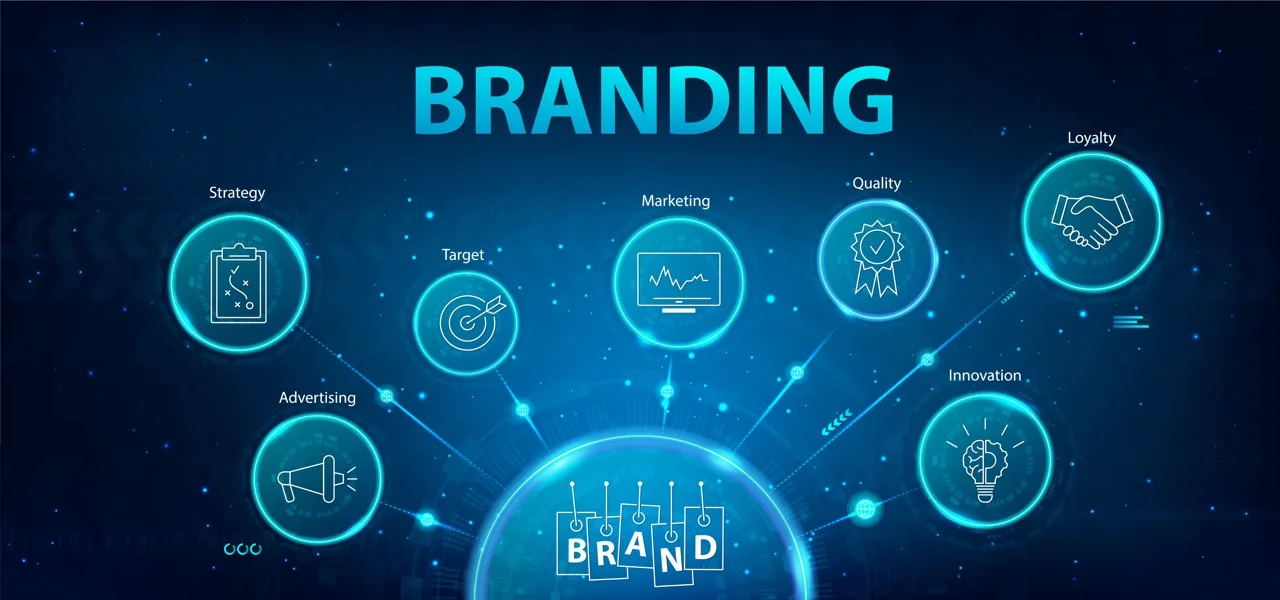
Branding is more than just a logo; it's an identity that sets your business apart from competitors. Effective design plays a critical role in shaping business perception and establishing a unique brand image.
Consistent branding fosters trust and loyalty among consumers. By using visual identity elements like logos, colour schemes, and typography consistently across all platforms, you create a cohesive brand image that your audience recognises and trusts.
Design influences customer perception and purchasing decisions by communicating a company’s values and mission. Through thoughtful branding, you can convey the essence of your business and attract customers who align with your vision. This connection is crucial for building a loyal customer base and driving business success.

Resources and Communities for Aspiring Designers
Becoming a skilled designer is greatly enhanced by the wealth of available resources and communities. From online tutorials and design blogs to collaborative forums, these platforms offer the essential insights and inspiration needed to stay current in an evolving industry.
Active participation is key to growth. Networking with professionals at conferences or through local groups provides mentorship and career opportunities, while engaging in design challenges pushes your creative boundaries. By leveraging these tools and feedback loops, you can continuously refine your skills and expand your creative potential.
In summary, graphic design blends creativity, technical expertise, and strategic thinking. By mastering its foundations and engaging with the design community, you can produce compelling work that informs and inspires, ensuring a fulfilling and successful career.
So, what inspires you to create and communicate through design? Share your thoughts and join the conversation!